Cat A and Cat A+ Refurbishment: Choosing the Right Refurbishment Strategy for Your Asset

Cat A and Cat A+ both prepare a building for the market, but they do different jobs. Cat A delivers the lettable baseline: flooring, ceilings, lighting, M&E and basic finishes, ready for an incoming occupier to fit out. Cat A+ goes further and hands over a finished, move-in-ready space.
Which one fits depends on the building, the market it’s competing in, and how quickly it needs to let. Get it right and you shorten voids and widen your pool of tenants. Get it wrong and you’re left with space that doesn’t match demand. Our commercial office refurbishment team delivers both, so here’s how we help landlords decide.
What Cat A and Cat A+ deliver for the asset
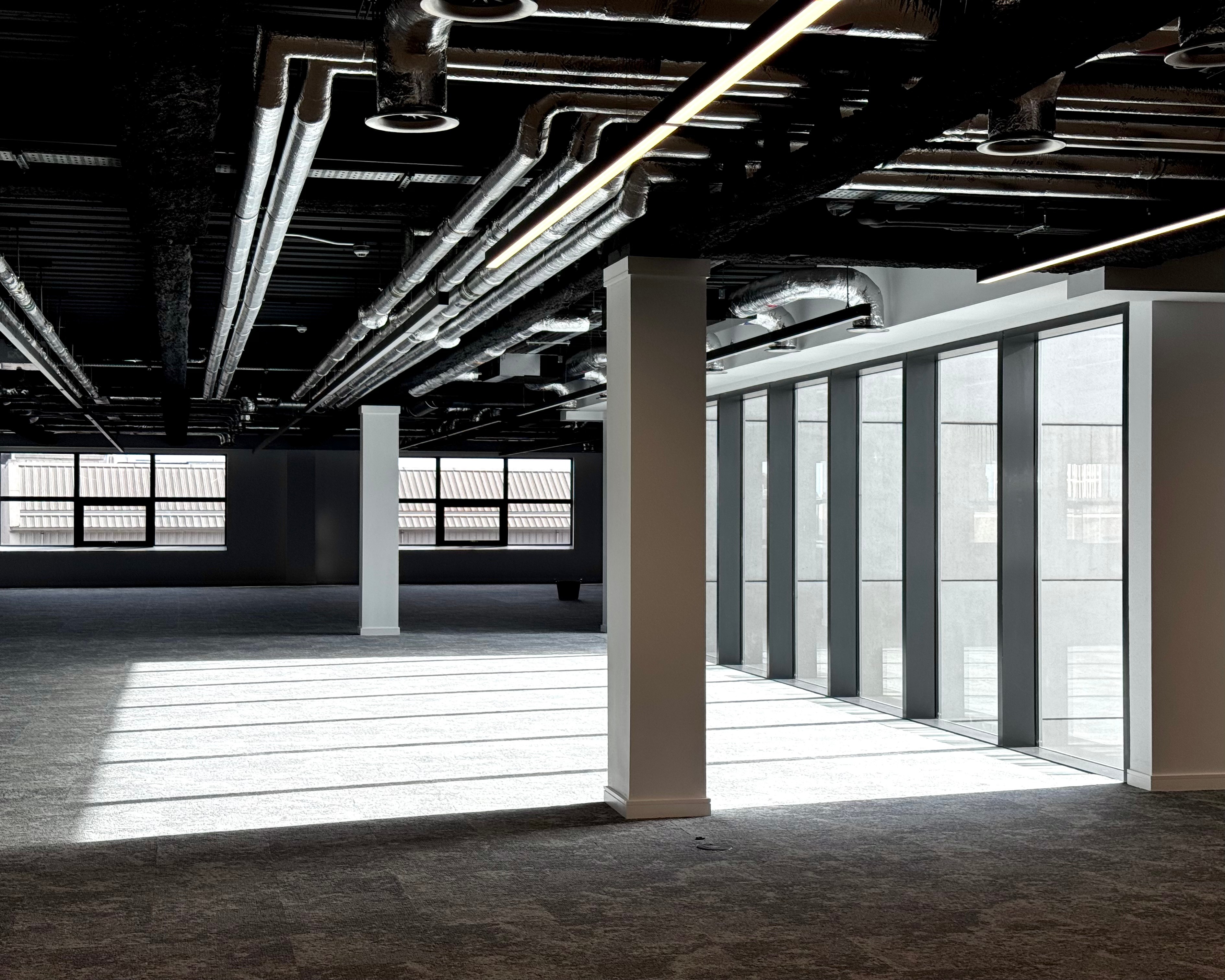
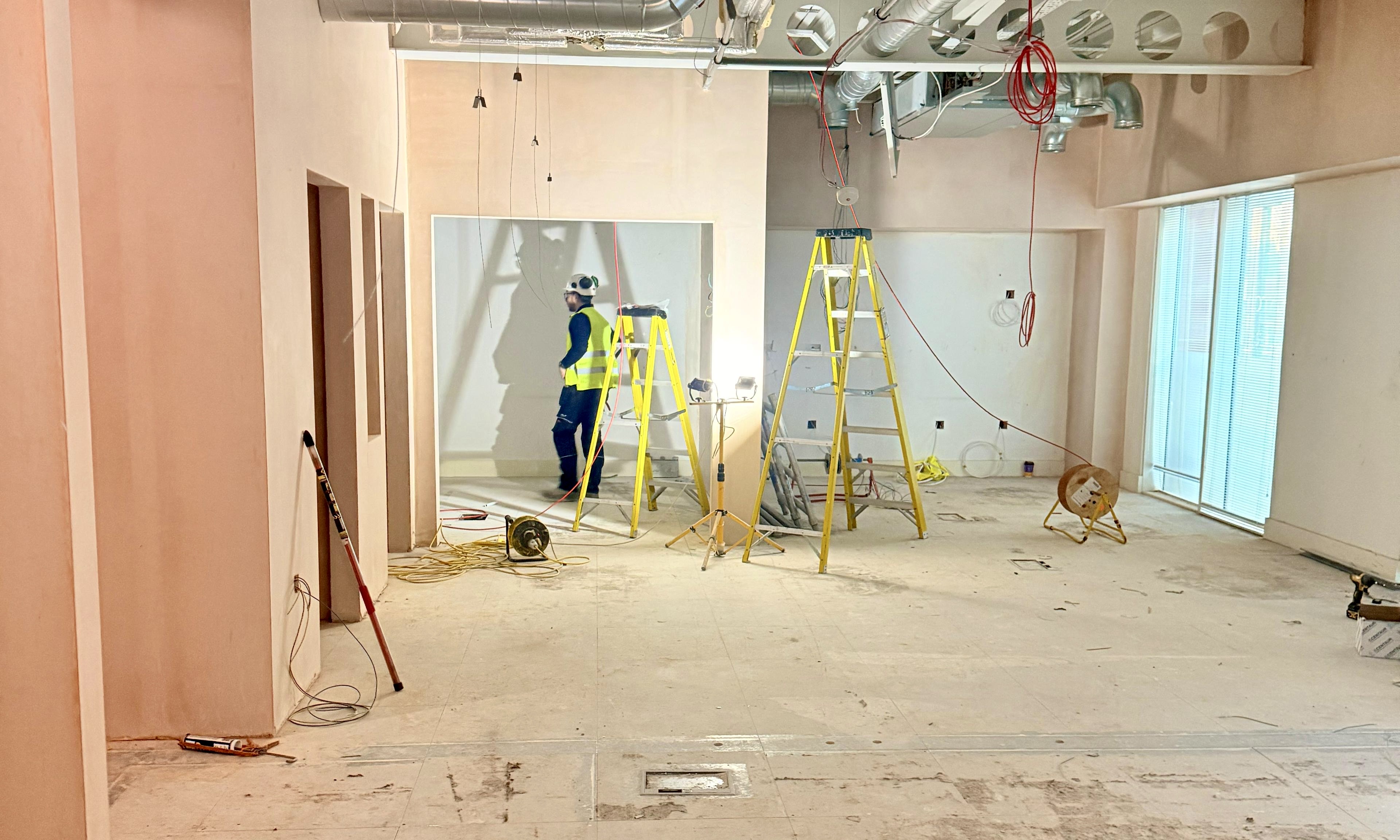
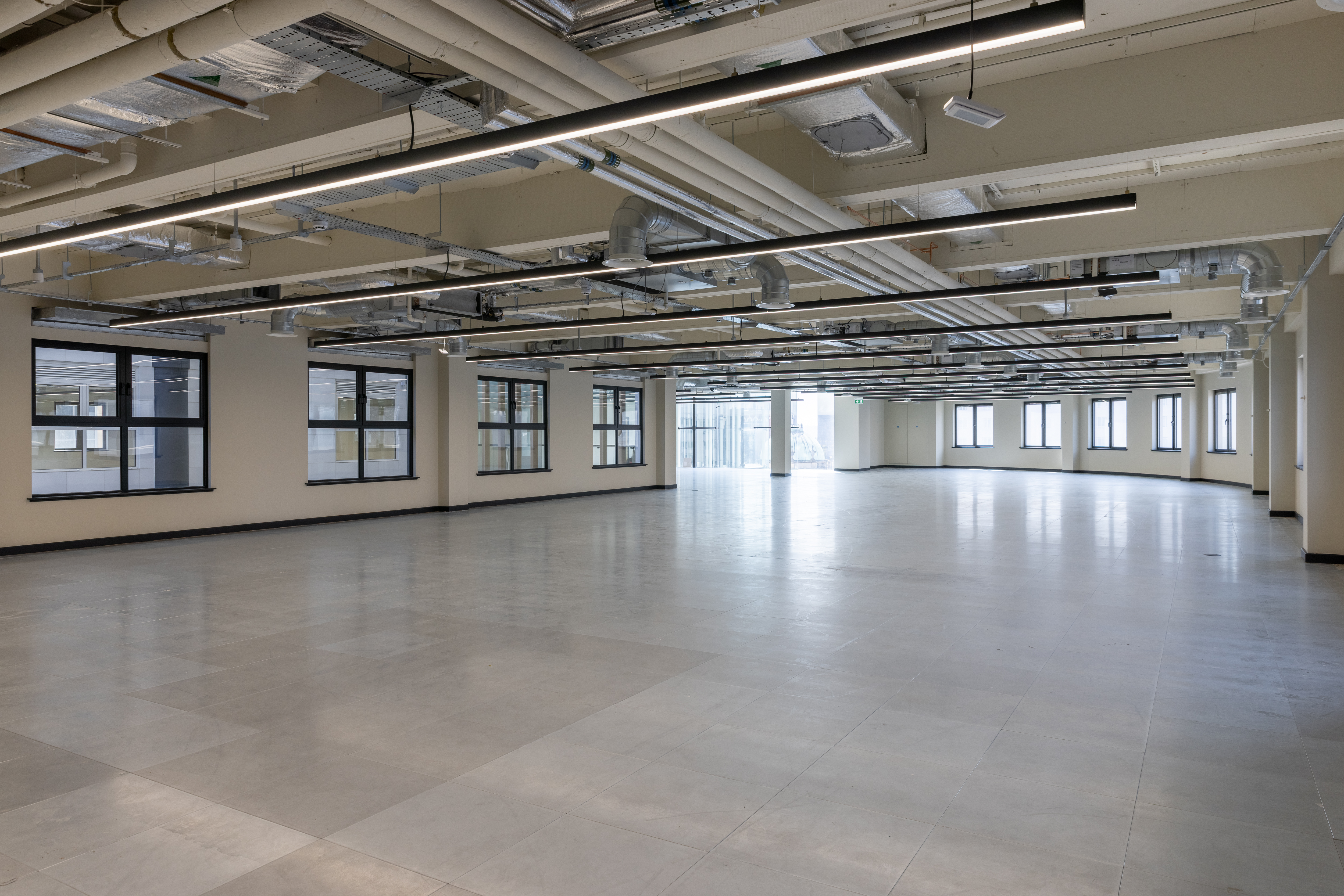
Cat A: flooring, ceilings, lighting and M&E are in place, but the space is still a blank shell. Landlords commission a Cat A office refurbishment speculatively, or to reset a floor between tenants. An occupier can’t fit out around bare services, so this is the foundation for any letting.
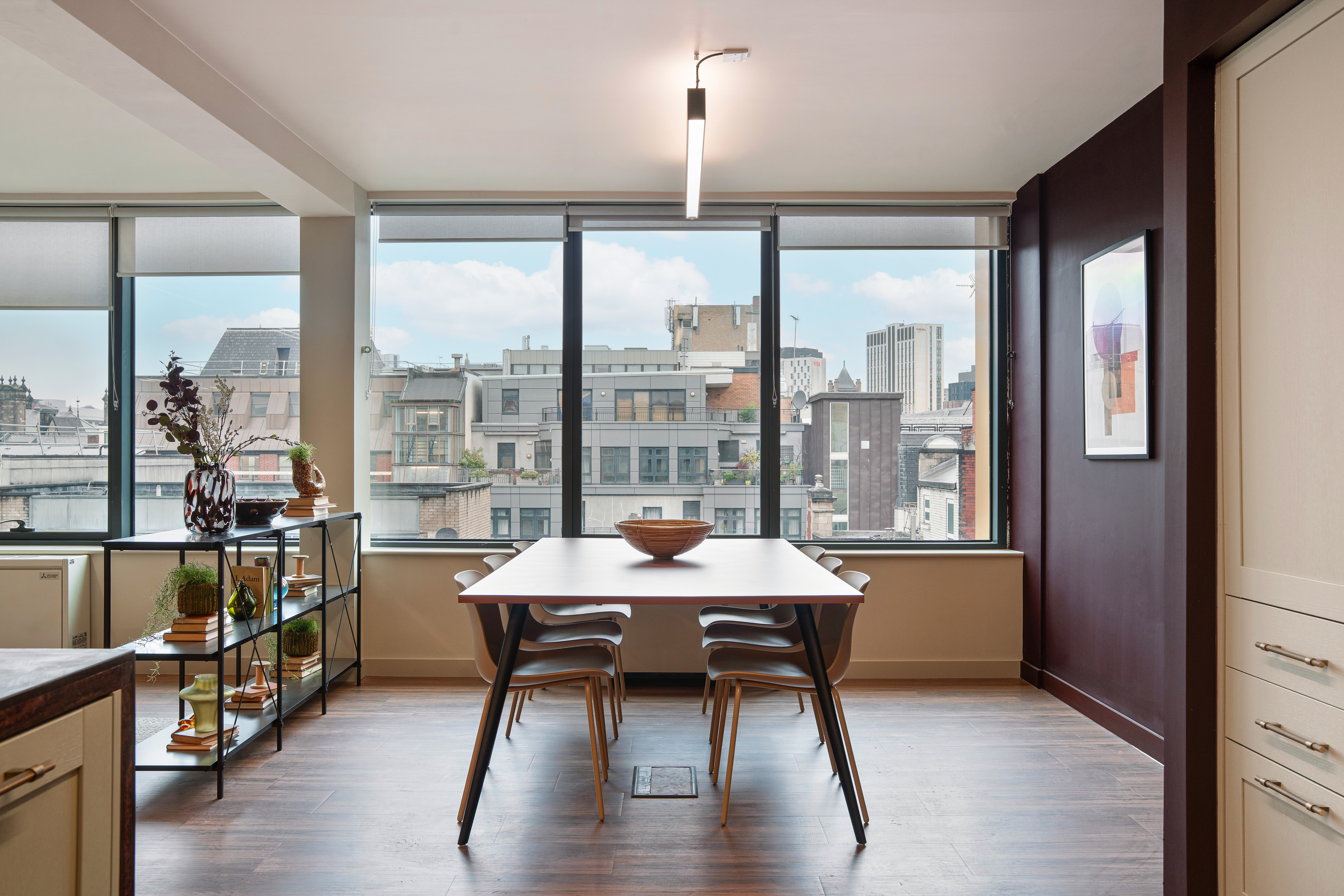
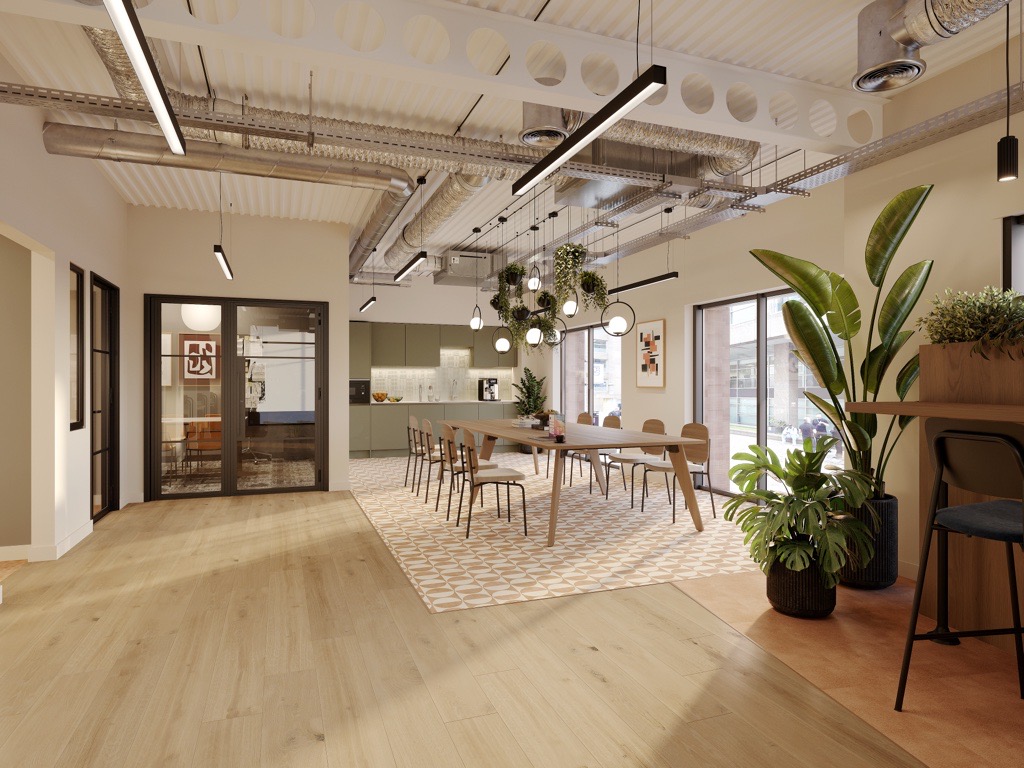
Cat A+: move-in-ready and deliberately unbranded. That’s a spec distinction from Cat B, not a physical one. On top of the Cat A base, a Cat A+ refurbishment typically adds:
- Furniture and workspaces
- Partitioning for meeting rooms and breakout space
- Pre-fitted kitchens and toilets
- IT installation
- Air conditioning
What matters most to today’s occupier market
Occupiers are more selective than they used to be. They compare buildings on performance and experience as well as rent, and a refurbishment is your chance to meet that brief.
Sustainability and EPC performance
-
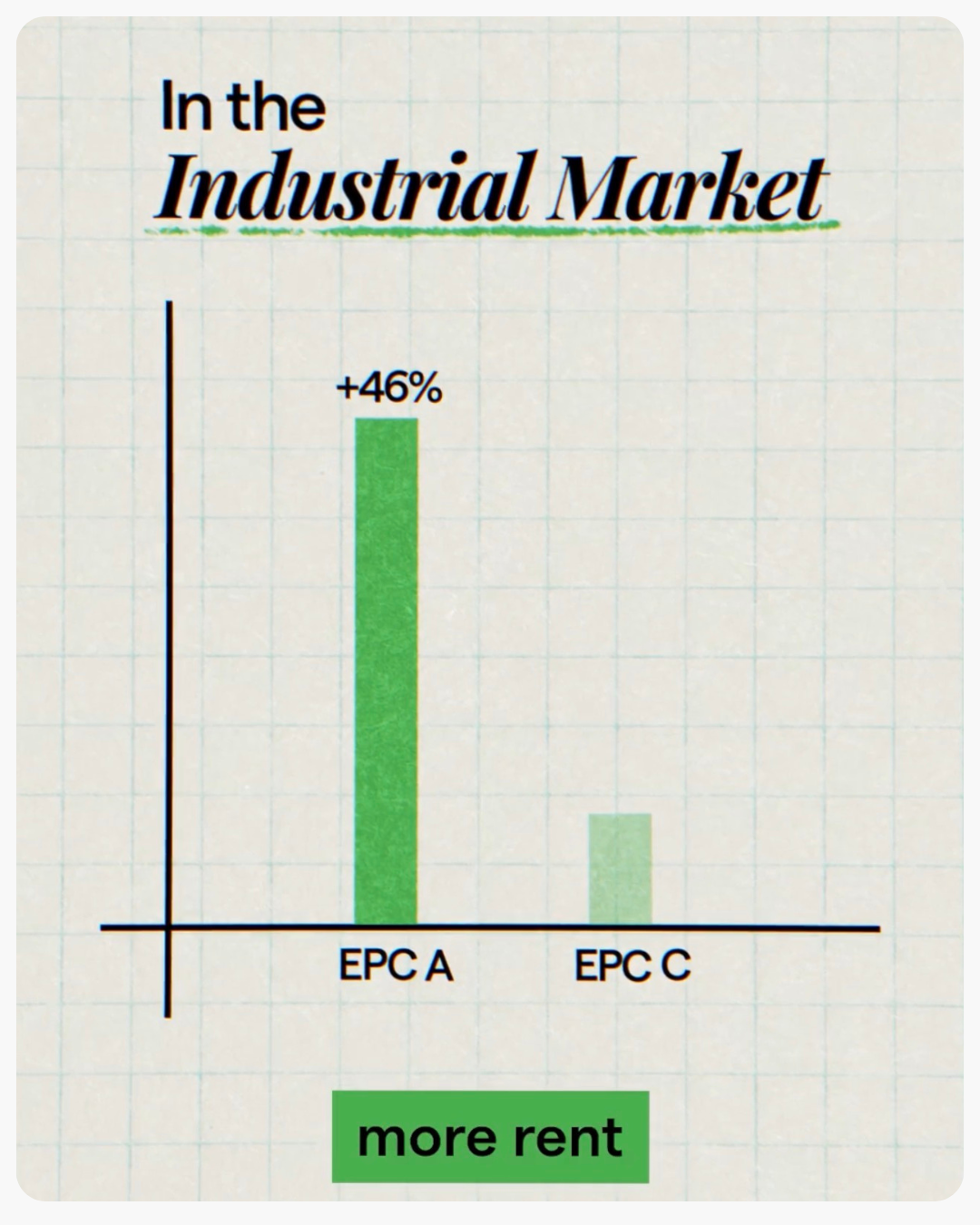
- EPC A as the benchmark: it signals lower running costs and a building ready for future regulation.
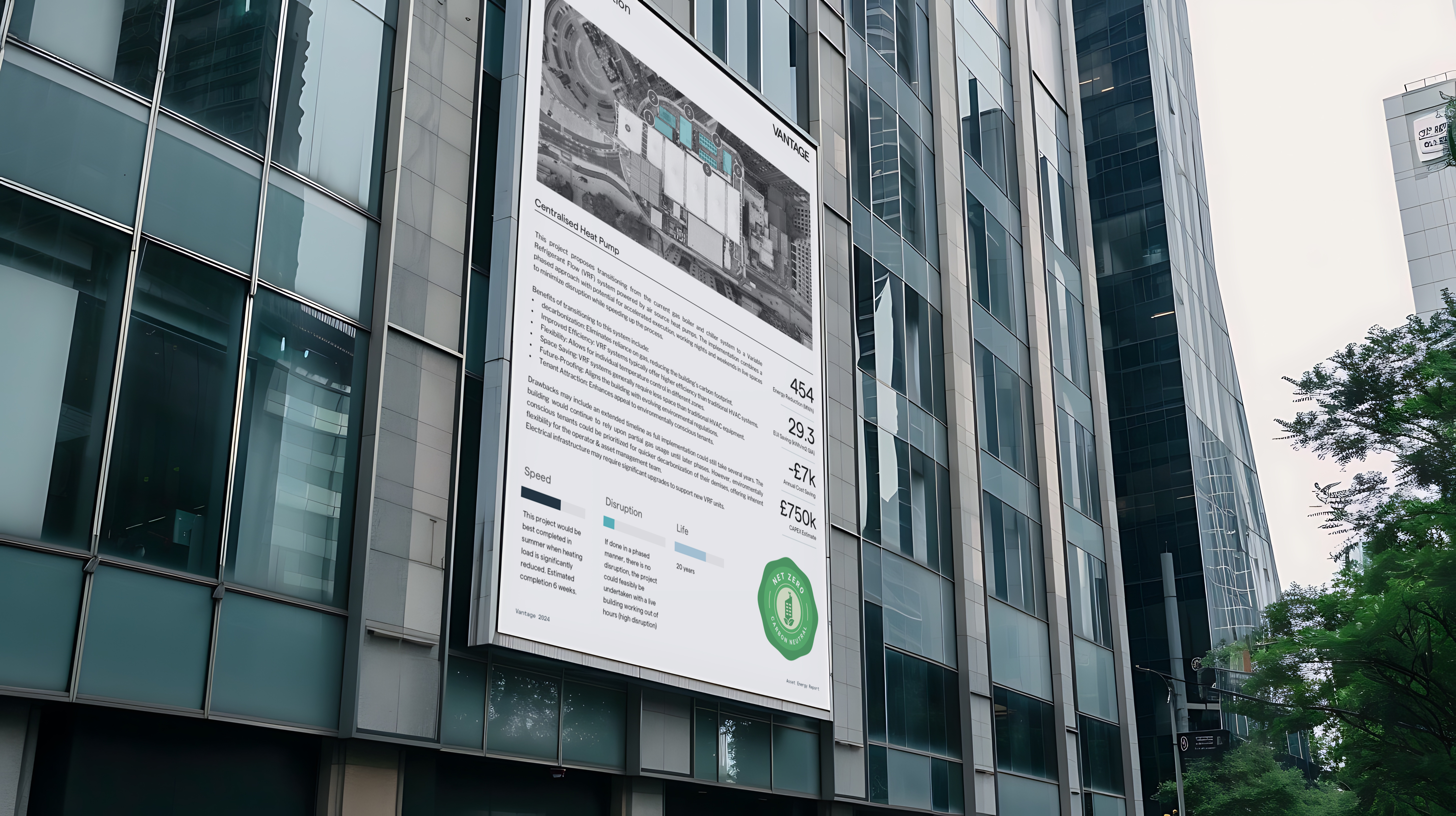
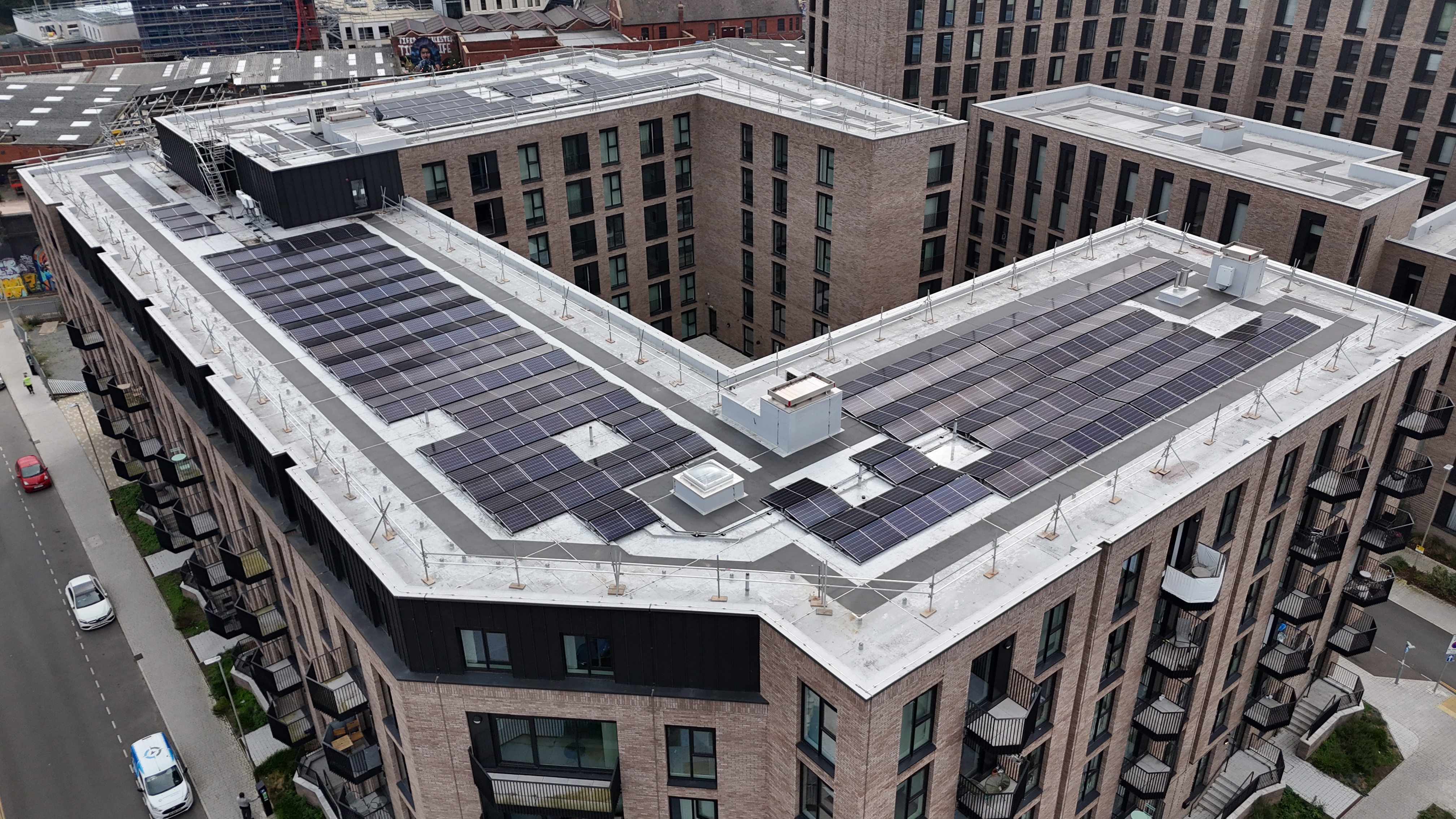
- All-electric buildings: replacing gas-fired plant with electric systems, such as heat pumps, supports net zero and protects the asset against tightening rules.
- Regulation is moving: from 2031, private rented buildings over 1,000 sq m will need to reach EPC B. Refurbishing now avoids a rushed upgrade later.
- Upgrade while the floor is open: M&E and lighting work causes far less disruption during a refurbishment than around a tenant.
Read more: MEES requirements for commercial landlords and The Cheapest Way to EPC A, Explained.
Design and exposed services
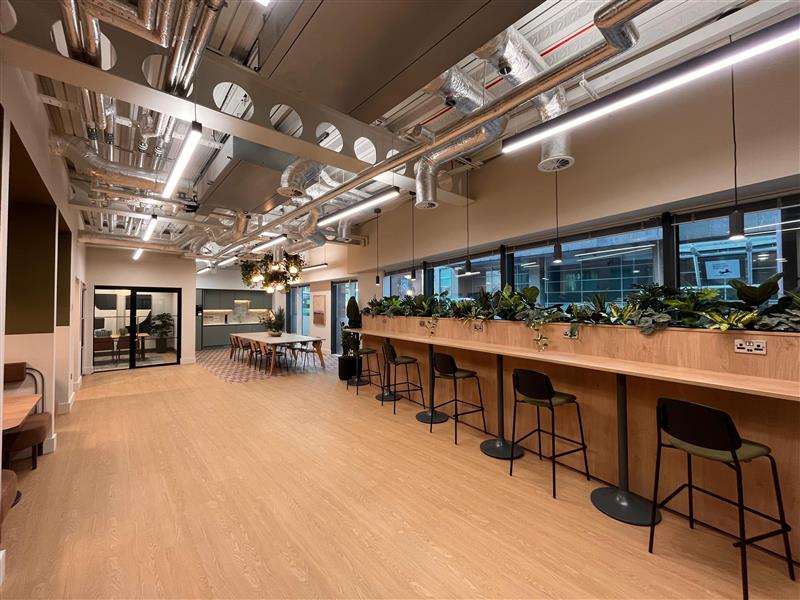
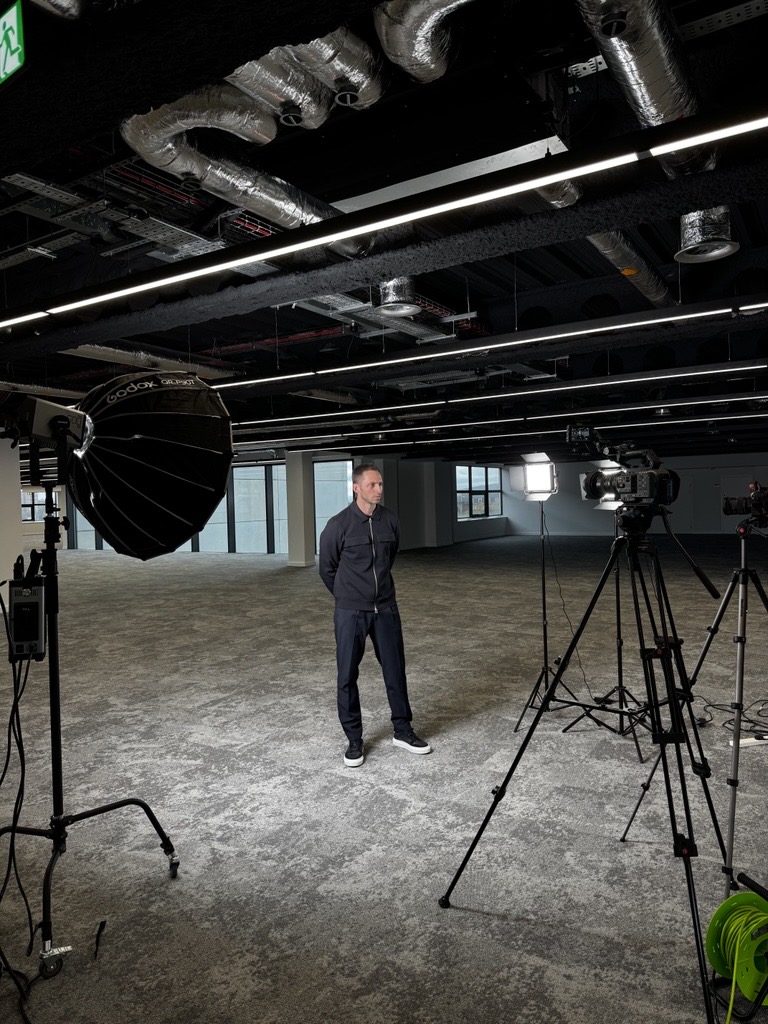
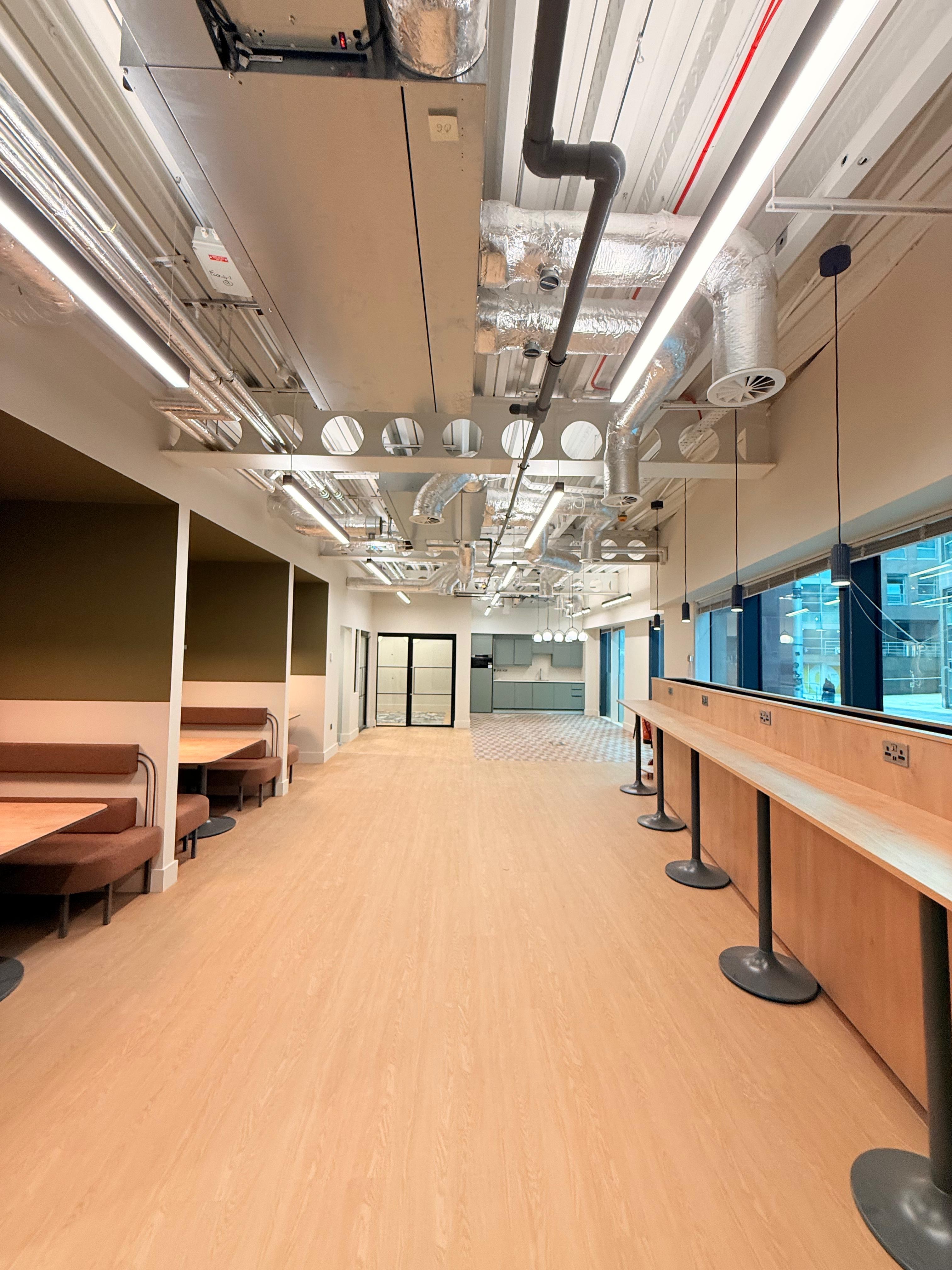
- Exposed services: an open, industrial look that many occupiers prefer to a full suspended ceiling. It can also ease future maintenance access.
- Flexible floorplates: well-planned M&E lets occupiers reconfigure the space as their needs change.
- Light and air quality: good lighting and ventilation shape how people feel in the building, and occupiers notice.
Amenity and building experience
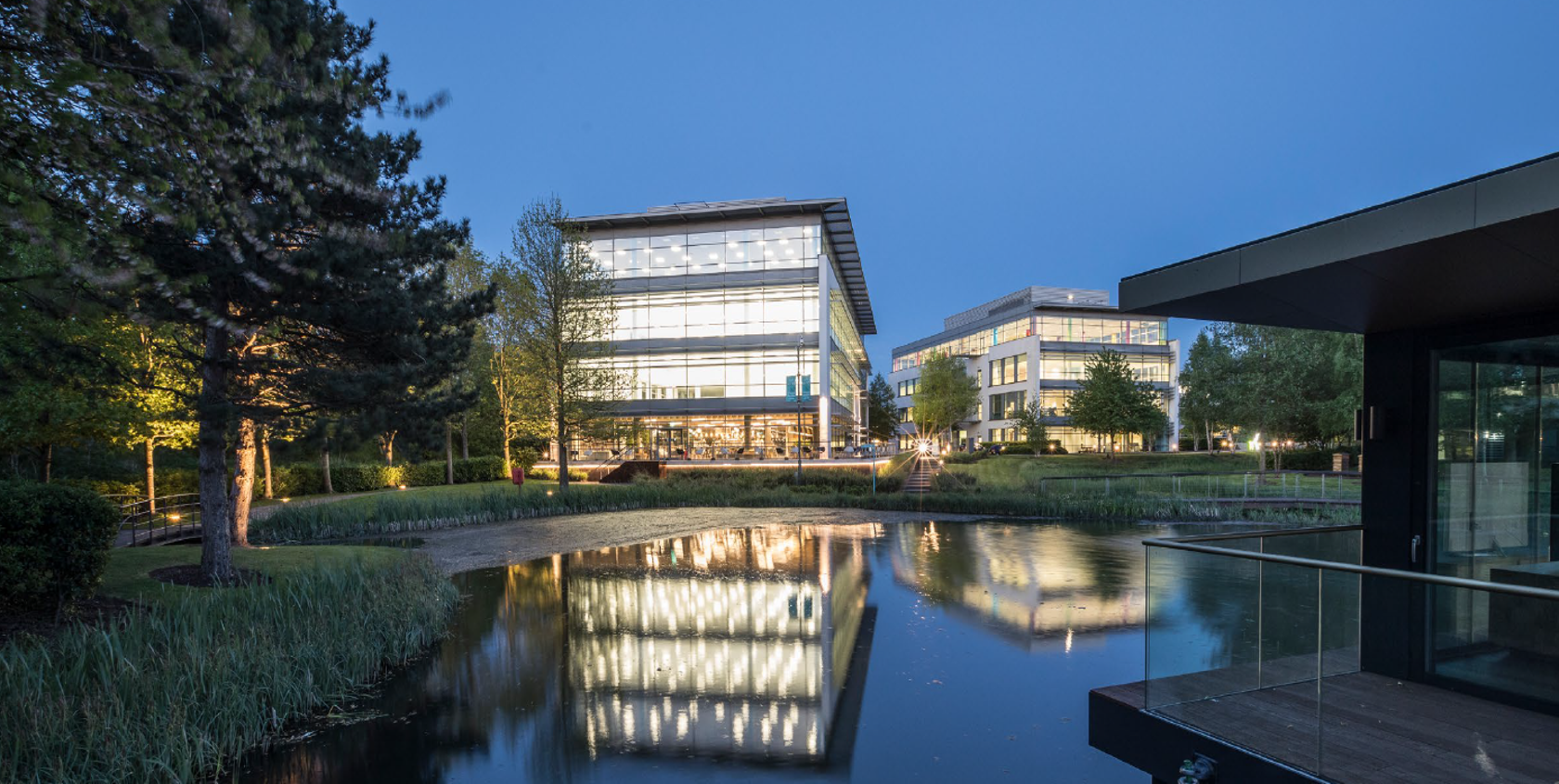
- Amenity drives attendance: business lounges, wellness suites and roof terraces give people a reason to come into the office.
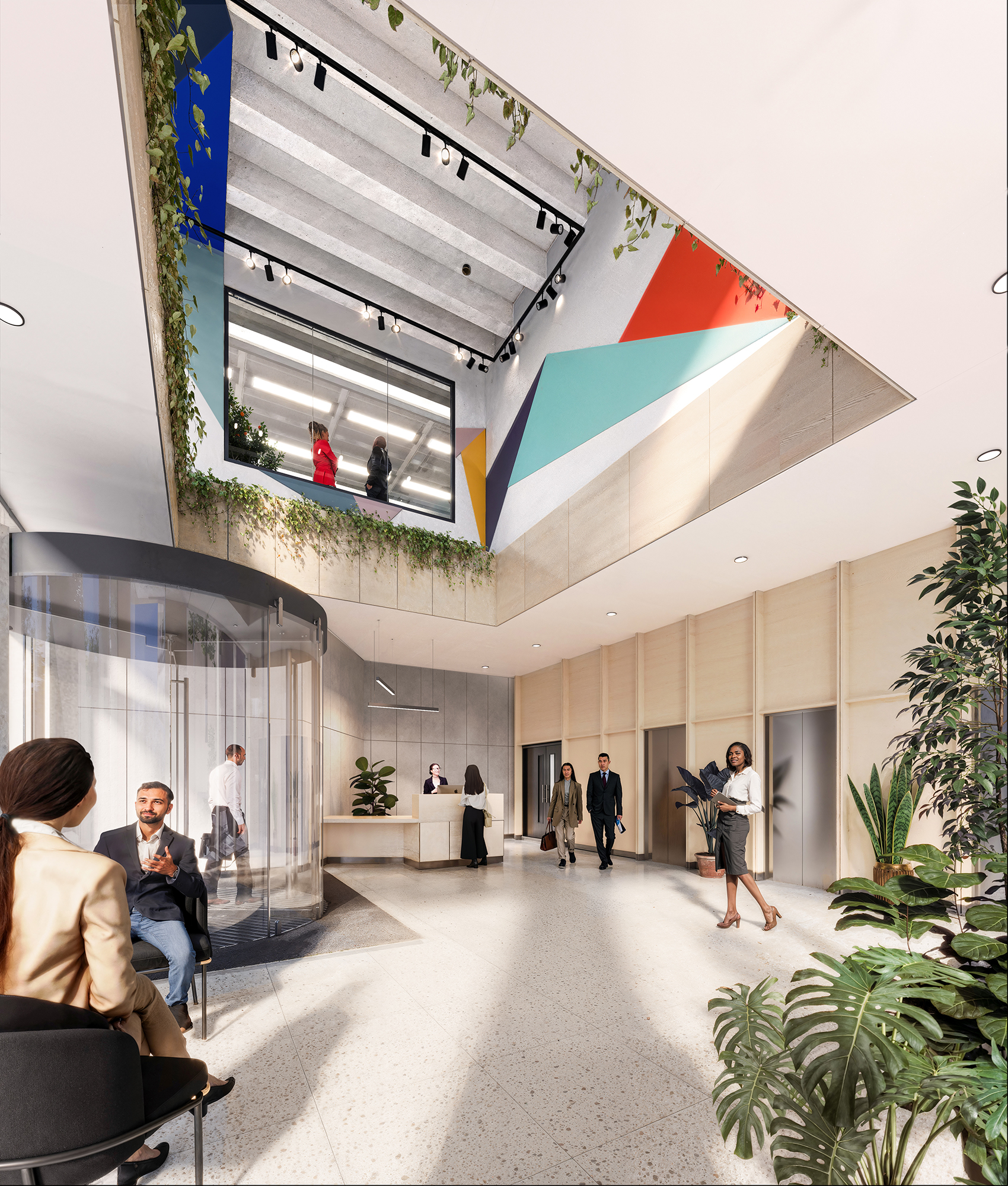
- Arrival experience: a refreshed reception sets the tone for the whole building.
- Experience competes with spec: at Optima in Glasgow, a new amenity lounge sits alongside refurbished Cat A office space.
See it in practice: Optima amenity lounge, Glasgow.
Choosing Cat A or Cat A+ for your building
Cat A suits established tenants who want a fully bespoke Cat B fit-out. These are businesses with a defined workplace strategy and brand standards, those appointing their own designer or workplace consultant, and occupiers with the budget and in-house resource to manage their own fit-out. They often commit to longer leases, where a tailored space justifies the investment.
Cat A+ suits tenants who want to move straight in with minimal upfront cost. That includes startups and scale-ups, project teams needing space at short notice, occupiers on short or flexible leases, and businesses without the time or resource to run a fit-out.
Four factors should guide your decision.
Suite size and enquiry volume. Cat A+ suits smaller, faster-turnover suites marketed to a higher volume of prospective tenants. It also supports subdividing larger floors into smaller units where enquiries show stronger demand at that size. Cat A suits larger floorplates marketed to fewer, more considered occupiers who want control over their space.
Location and competing stock. Where nearby stock is mostly Cat A, offering Cat A+ removes a barrier to letting that competing buildings still present. Where competitors already offer Cat A+ or flexible space, matching them may be necessary to stay in contention.
Portfolio diversification. A mix of Cat A and Cat A+ suites widens your tenant mix and reduces reliance on a single occupier type or covenant. This lets a building capture demand across every suite size, from full floorplates to smaller, move-in-ready units.
Lease length and void risk. Pairing the secure, long-term income of Cat A lettings with shorter, flexible Cat A+ terms staggers expiries. That avoids concentrating void risk at a single lease event.
Budget and the return on spec
Cat A+ costs more upfront because it adds scope: furniture, partitioning, kitchens, IT and air conditioning all sit on top of the Cat A base. The real question is what that extra spec returns, in speed of letting and the quality of income.
The wider evidence for refurbishment is strong. Knight Frank’s retrofit research found that upgrading low-EPC offices through retrofit or refurbishment can lift capital values by up to 91%. We cover the findings in our write-up of the capital value uplift following retrofit and refurbishment. It’s third-party research rather than a promise for any single asset, but it shows the direction of travel: investors and occupiers reward higher-performing space.
How Vantage delivers Cat A and Cat A+ work
We act as Principal Contractor, accountable across design, cost management, procurement and construction. That means one team and one point of responsibility, from the first sketch to handover.
The same delivery team also runs Cat B work. So the people specifying your Cat A and Cat A+ scheme also deliver the occupier fit-outs that follow, and they design with that next stage in mind.
See our work:
-
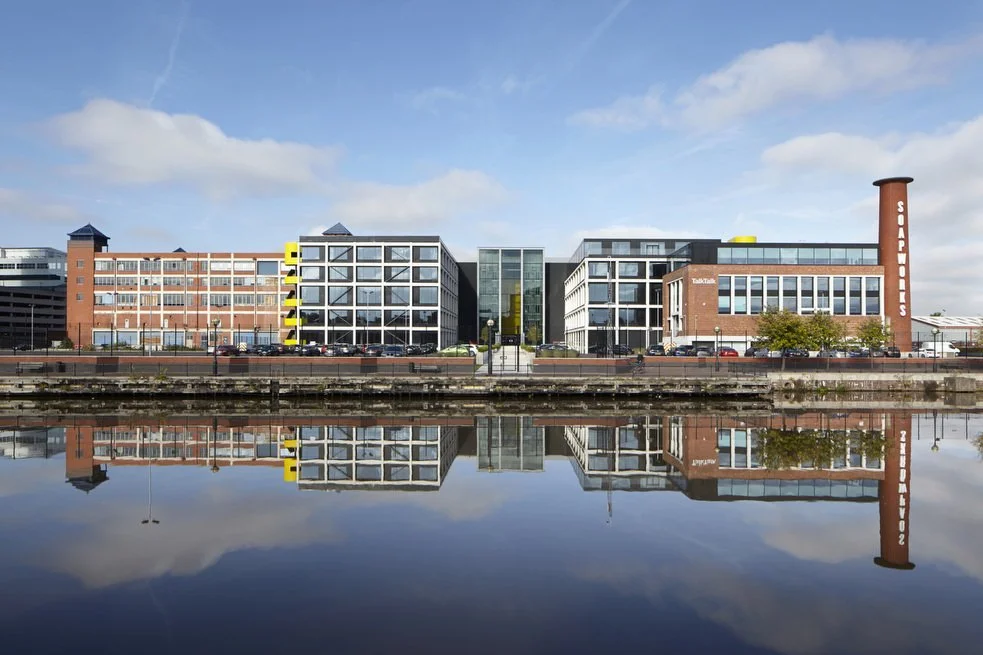
- Cat A multi-floor refurbishment at Citygate
- 12 Greek Street, Leeds, three fully fitted Cat A+ suites
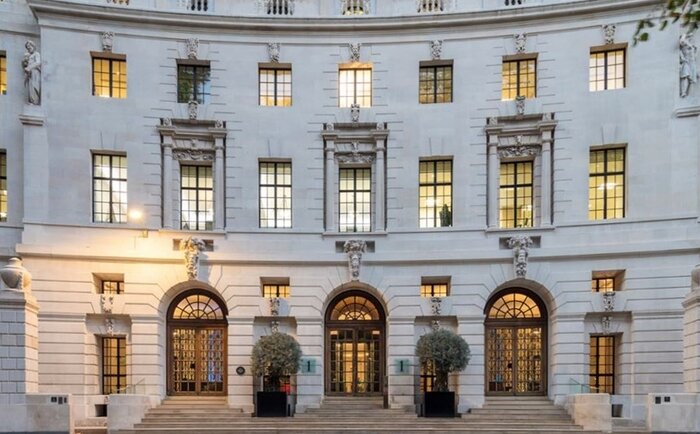
- Morgan Quarter, Cardiff (Grade II listed): works start and practical completion
Ready to plan your refurbishment?
Vantage delivers Cat A and Cat A+ refurbishment as Principal Contractor, with a fixed-price plan built around your building and your letting timeline.
Talk to Our TeamFAQs
Is Cat A+ more expensive than standard Cat A?
Generally yes, because it adds furniture, partitioning, kitchens and toilets, IT installation and air conditioning on top of Cat A. It’s added scope, and the cost depends on your building and spec.
When does Cat A+ make more sense than Cat A?
When your target tenant wants to move straight in rather than run their own fit-out: startups, scale-ups, project teams on short leases, and co-working operators. Cat A tends to suit tenants who want design control.
What does a Cat A+ refurbishment add that isn’t included in Cat A?
A finished, unbranded workspace: furniture, meeting and breakout partitioning, pre-fitted kitchens and toilets, IT installation and air conditioning.
How does Cat A or Cat A+ spec affect target rent?
Spec shapes who you attract and how quickly you let. A move-in-ready suite can support a stronger offer to occupiers who value speed and certainty. The right target depends on your building and your local market.